You can scratch the mortar out
If a key or screwdriver digs into the joint and brings out sand, the mortar has lost its binder and is no longer keeping water out.
Imperial Chimney & Masonry
Failing mortar joints let water into brick and stone. We grind the old joints out and repack them with matched mortar on chimneys, walls, and foundations across Pottstown and nearby towns.
Mortar is meant to be the softer, sacrificial part of a wall. It weathers first on purpose, which is why joints open up while the brick around them still looks fine. Once those joints are recessed and sandy, water runs into the wall instead of off it, and freeze-thaw cycles start pushing the masonry apart.
Caught at the joint stage, repointing is a straightforward repair. Left long enough, the same chimney needs bricks reset or the top few courses rebuilt, which costs considerably more.
Three of our own jobs — a chimney, a brick wall section, and stonework.
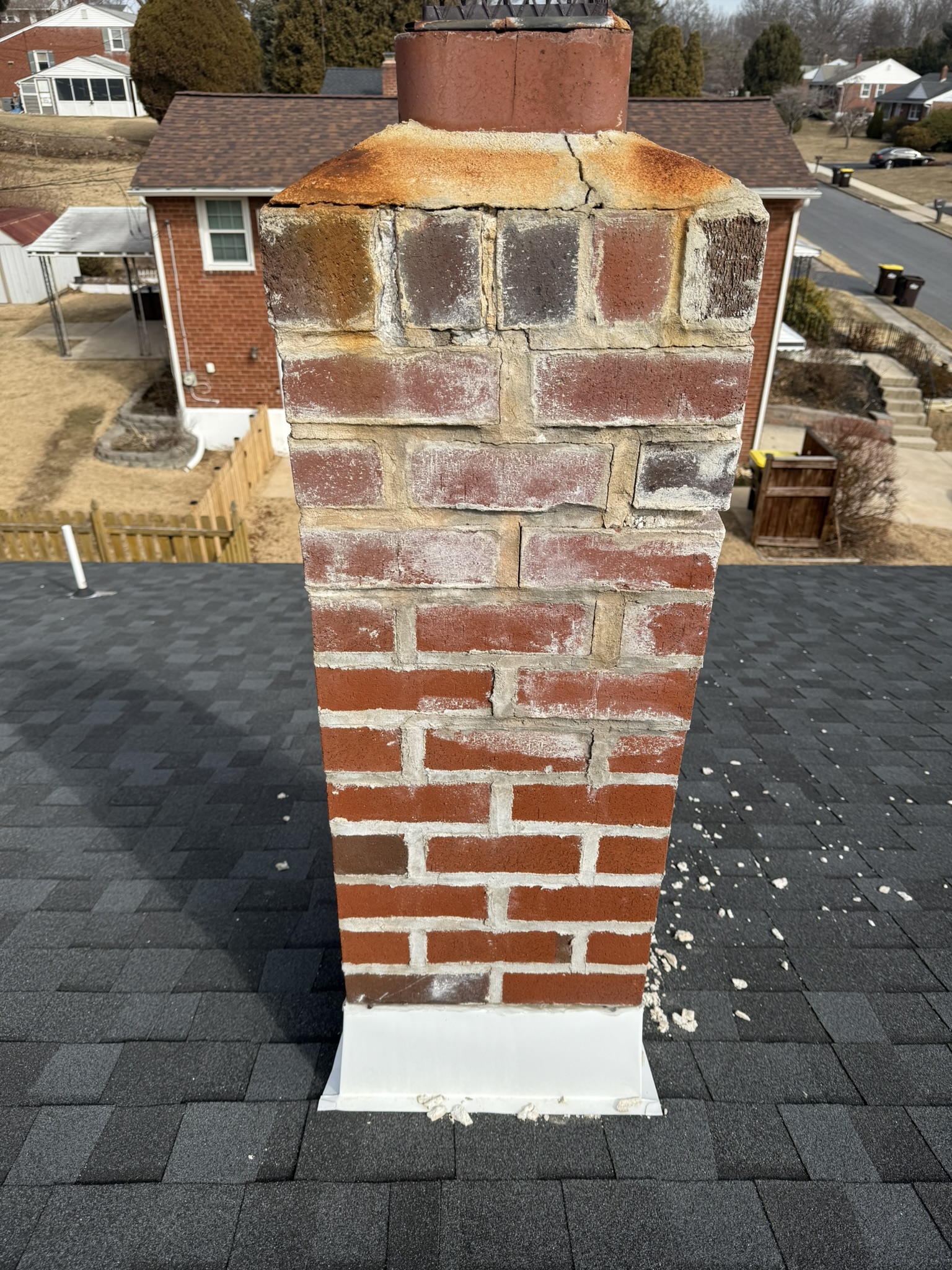 Before
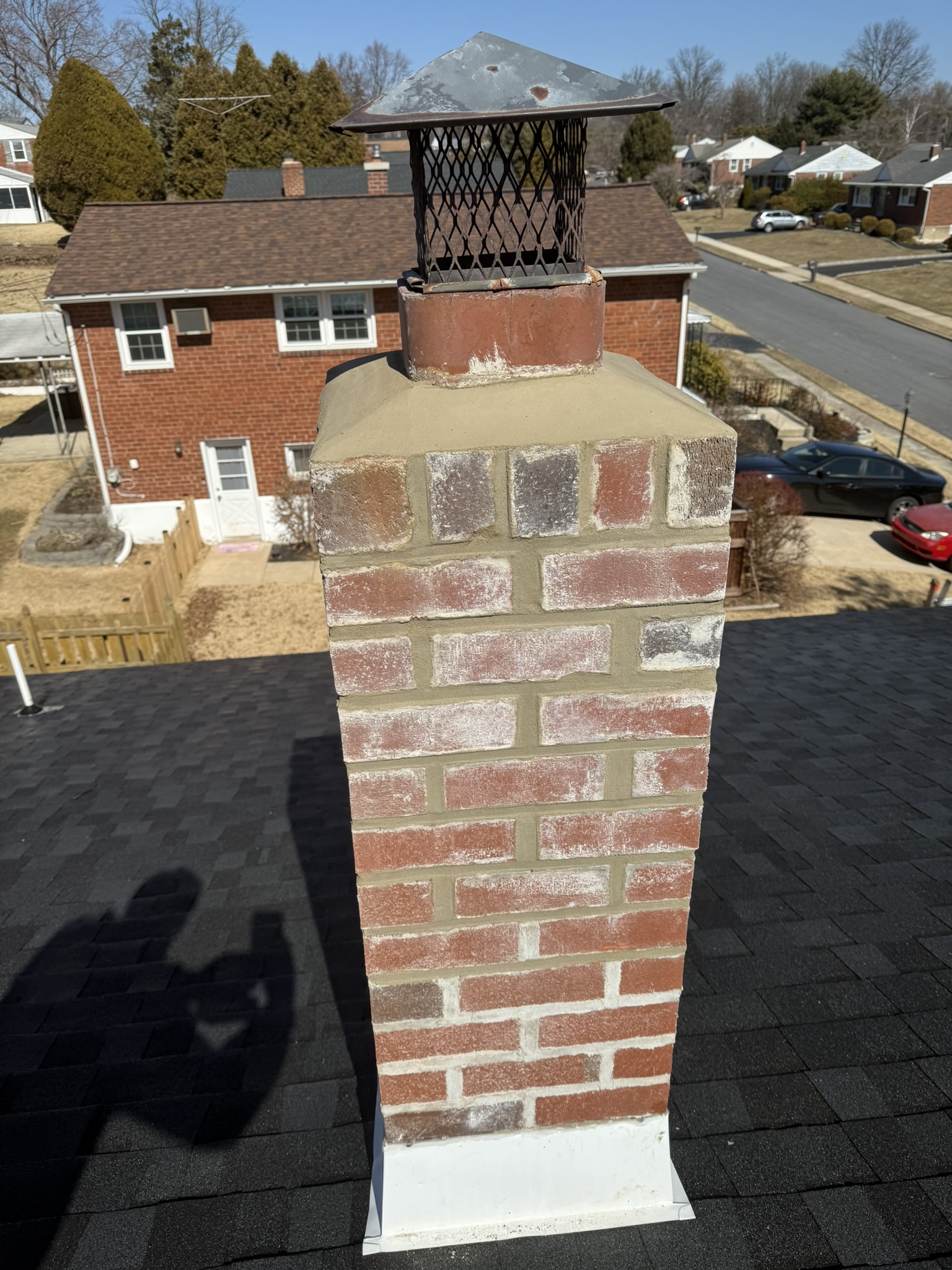 After
After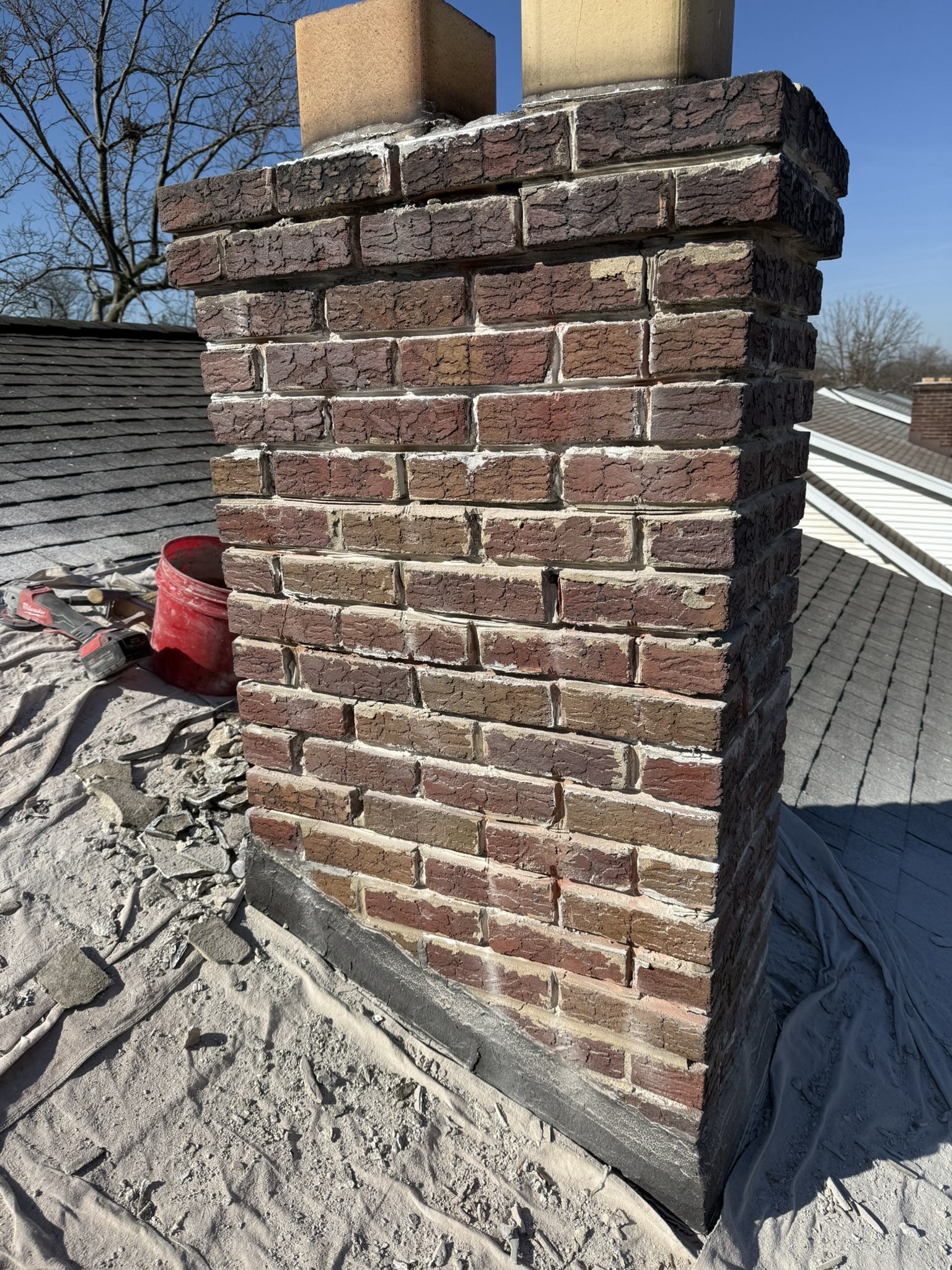 Before
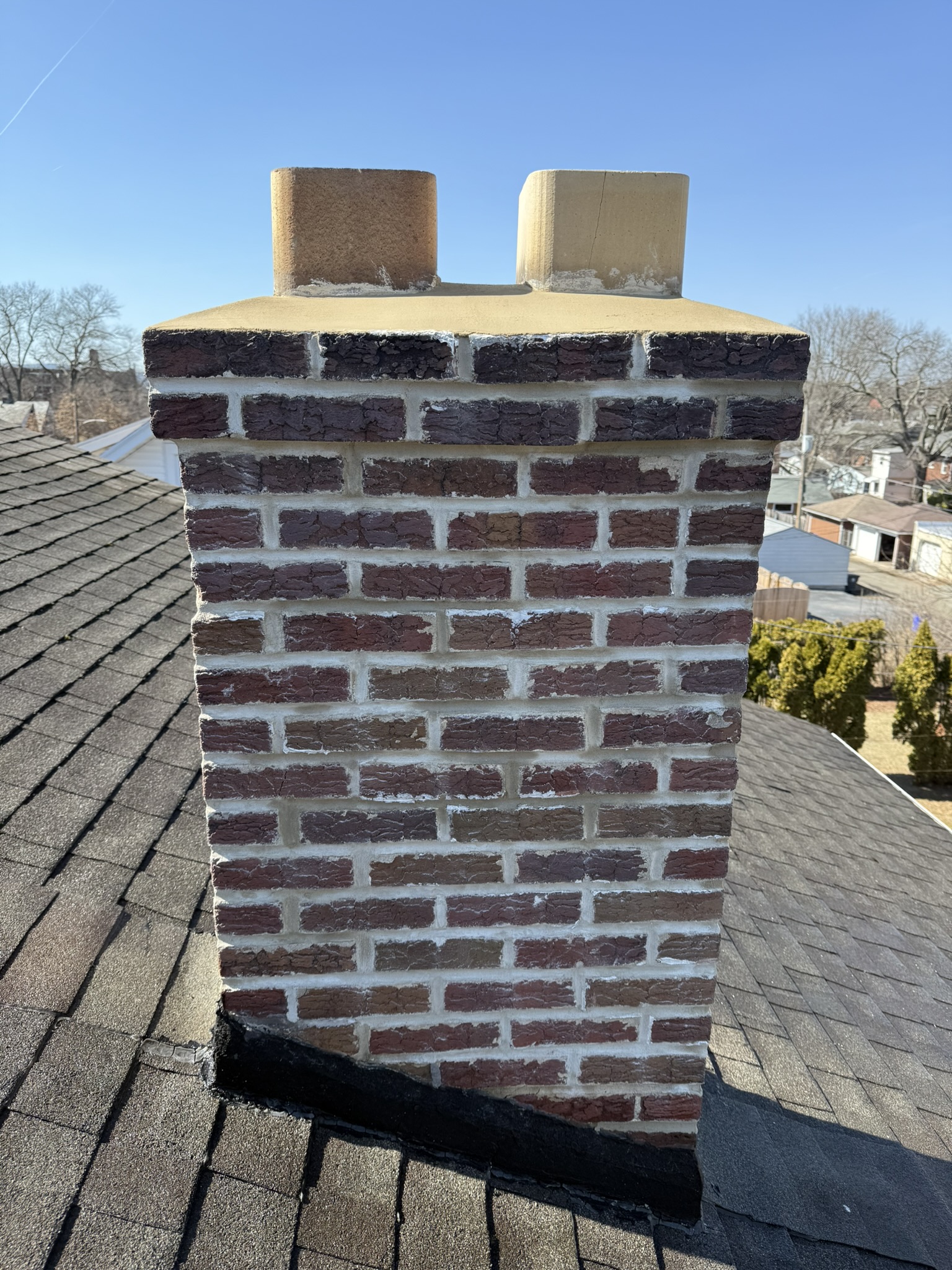 After
After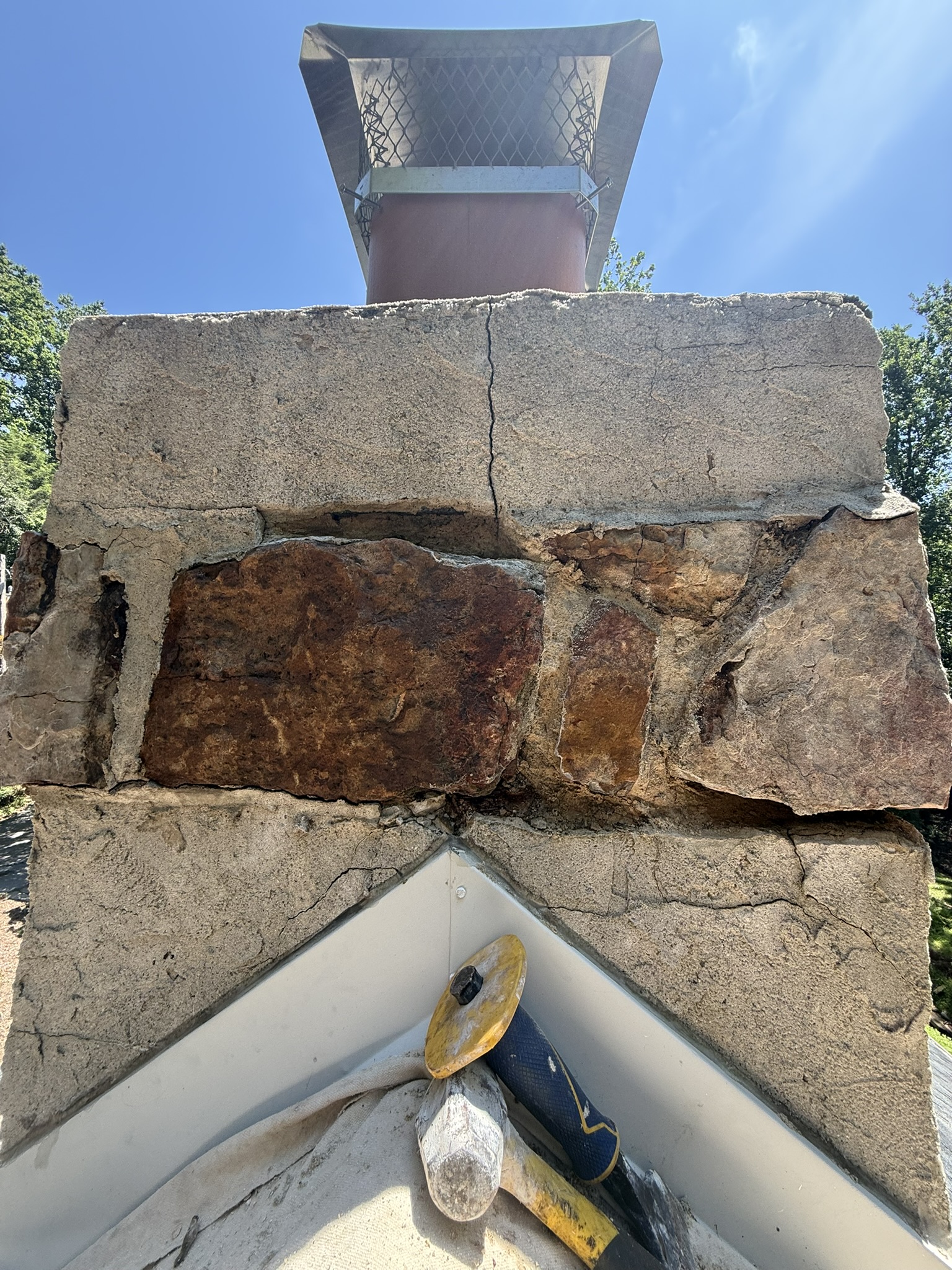 Before
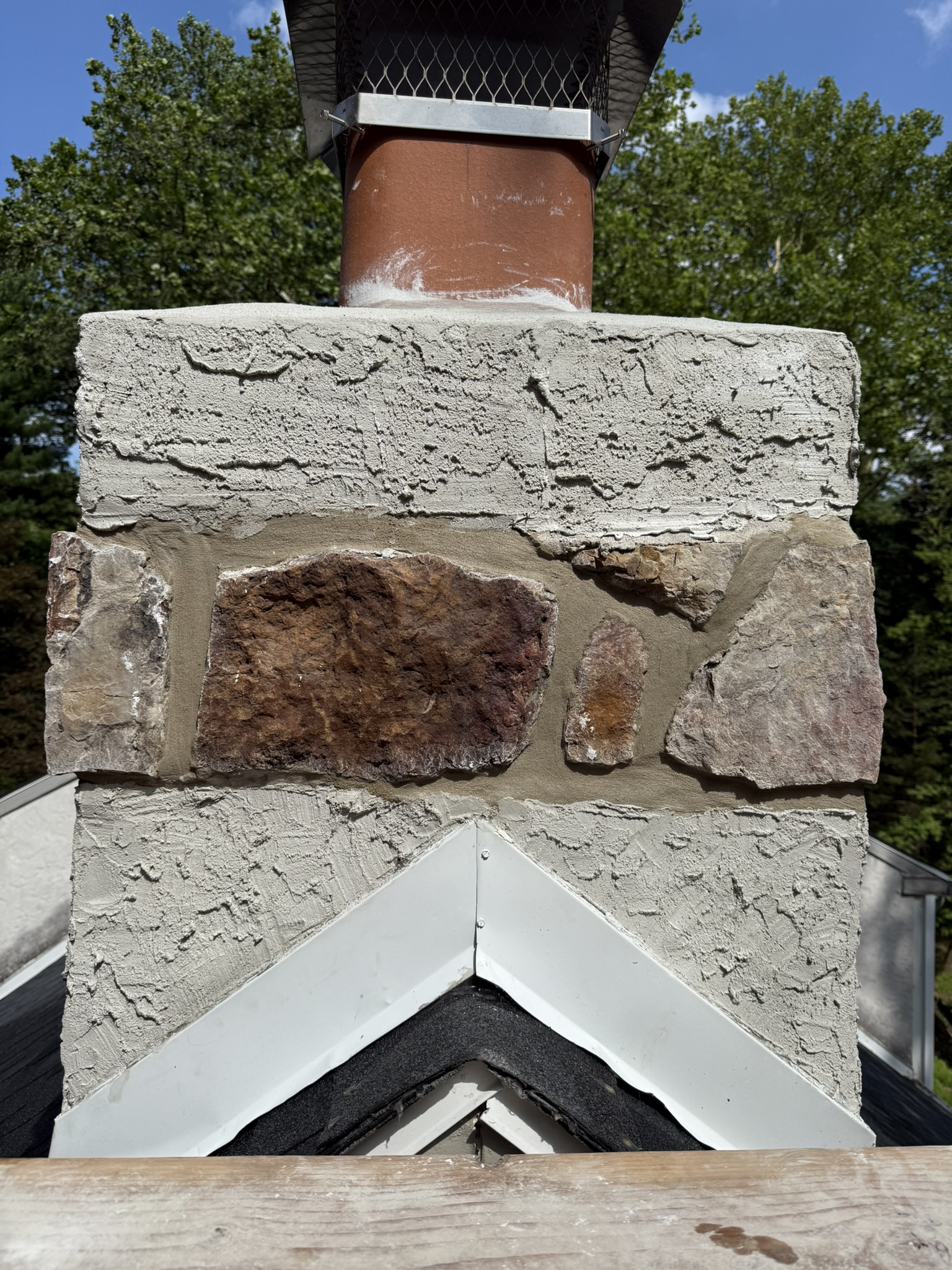 After
AfterCheck the mortar, not the brick. Any one of these is worth a look.
If a key or screwdriver digs into the joint and brings out sand, the mortar has lost its binder and is no longer keeping water out.
Mortar recessed much below the brick face gives water a ledge to sit on. On a chimney that is the most exposed masonry on the house.
Chalky white deposits on the brick, or damp patches on interior walls and ceilings near the chimney, mean water is already getting through.
Repointing often comes up alongside crown repair, stucco work, or a chimney that has started leaking.
Chimney sweeping, chimney cleaning, and fireplace inspections for homeowners in Pottstown and nearby towns.
Leak repair, crown repair, flashing repair, rebuilding, and other chimney repairs for local homes.
Repair cracked chimney stucco, parging, and weather damage to protect the masonry underneath.
Brick repair, block repair, stucco repair, repointing, and masonry restoration for chimneys, walls, and foundations.
Grind out failing mortar joints and repack them with matched mortar on chimneys, brick walls, stone, and foundations.
Pressure washing and power washing for masonry, patios, walkways, driveways, and other exterior surfaces.
We also repoint chimneys, brick, and stonework across nearby Montgomery, Berks, and Chester County communities.
What homeowners usually want to know before booking mortar joint repair.
Repointing means grinding out mortar joints that have weathered or cracked and packing fresh mortar back in. The bricks or stones themselves stay put - it is the mortar between them that gets replaced.
In everyday use most homeowners and contractors mean the same thing by both words. Strictly, tuckpointing is a finishing technique using two mortar colors to make joints look crisper, while repointing is the structural repair. If you ask us for tuckpointing, we will tell you which one your wall actually needs.
Look at the joints rather than the brick. If mortar is crumbling, recessed well below the brick face, sandy to the touch, or you can scratch it out with a key, the joints are no longer shedding water. Loose bricks, white staining, and damp patches on interior walls near the chimney are later-stage signs.
We match as closely as we can on color, texture, and joint profile. On older homes the match matters structurally too, not just visually: original soft lime mortar needs a compatible mix, because modern hard portland mortar is stiffer than the brick around it and can cause the brick faces to spall.
Properly ground out and repacked joints generally last for decades. Smearing new mortar over the surface of old failing joints is what fails early, often within a couple of years, because water keeps getting in behind it.
Yes. We repoint chimneys, brick and stone walls, foundations, porches, steps, and retaining walls across Pottstown and nearby Montgomery, Berks, and Chester County towns.
Send a photo of the joints or call and describe what you are seeing - we will tell you whether it needs repointing now or can wait.